6 Herbal supplements that help lower cholesterol naturally
02/12/2026 / By Laura Harris
- Red yeast rice contains monacolin K, similar to prescription statins, and can lower LDL (“bad” cholesterol) by up to 25%; mild side effects include headache, digestive issues and muscle cramps.
- Garlic may reduce total cholesterol by ~5% and LDL by 6%, while supporting heart health and lowering blood pressure; side effects include upset stomach, bad breath and nausea.
- Guggulu is an ayurvedic resin that lowers total cholesterol by 6.5%, LDL by 10%, and triglycerides while increasing HDL; potential side effects are diarrhea, rash and headache.
- Artichoke can reduce LDL by 6% to 10%; black cumin may lower total cholesterol and LDL; fenugreek reduces LDL by ~7% and also helps regulate blood sugar; side effects are generally mild but vary by herb.
- These herbal supplements may modestly improve cholesterol levels but are not substitutes for prescribed medications or lifestyle changes; consultation with a healthcare provider is recommended before use.
High cholesterol is a major risk factor for heart disease and stroke, affecting millions of people worldwide. While prescription medications like statins are effective at lowering cholesterol, some individuals prefer natural alternatives or supplements that may offer modest benefits with potentially fewer side effects.
Here’s a look at six herbal options that research suggests can help manage cholesterol levels.
1. Red yeast rice
Red yeast rice (RYR) is a fermented rice product that contains monacolin K, a compound structurally identical to the prescription drug lovastatin. It works by blocking the body’s cholesterol production. Studies indicate that RYR can reduce low-density lipoprotein (LDL or “bad” cholesterol) by 15% to 25% within two months, comparable to low-dose statins. Typical side effects include headache, dizziness, gastrointestinal discomfort, skin rashes and muscle cramps. Doses studied range from 200 to 2,400 mg daily, making it a potential alternative for people with mild or moderately high cholesterol levels.
2. Garlic
Garlic, long used as both a culinary spice and a medicinal herb, may support heart health by lowering cholesterol, blood pressure and inflammation. Its cholesterol-lowering effects are thought to be related to allicin, one of garlic’s active compounds. Research shows that garlic can reduce total cholesterol by about 5% and LDL by 6% in people with elevated levels. Side effects may include upset stomach, nausea, rash, bad breath or body odor. Typical doses of garlic powder range from 600 to 2,400 mg per day. Garlic may be particularly helpful for preventing high cholesterol or for those with mildly elevated cholesterol and high blood pressure.
3. Guggulu
Guggulu is a yellow resin extracted from the bark of the Commiphora mukul tree and has been used in Ayurvedic medicine for centuries. It helps the body remove cholesterol and has been shown to reduce total cholesterol by 6.5% and LDL by 10%, while also lowering triglycerides and increasing HDL (“good” cholesterol). Common side effects include diarrhea, rash and headache. Guggulu can be used as an adjunct to prescription medication or by those looking to prevent high cholesterol, but it’s important to consult a healthcare provider before use, especially if taking other medications.
4. Artichoke
Artichoke, often consumed as part of a Mediterranean diet, can support heart health and liver function. Studies show it can lower LDL cholesterol by 6% to 10%. Side effects are generally mild, with occasional stomach discomfort reported. The typical studied dosage ranges from 500 to 1,800 mg per day. Artichoke may be a good option for people with mild to moderately high cholesterol, particularly those with metabolic syndrome, fatty liver or statin intolerance.
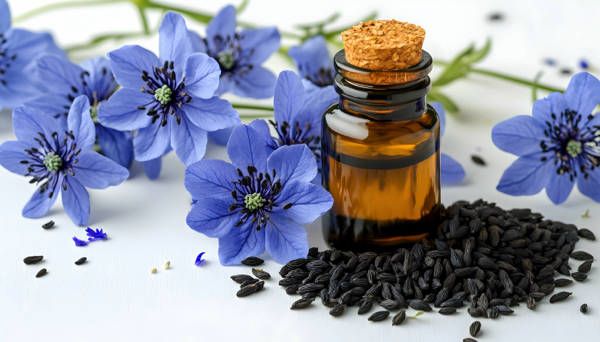
5. Black cumin (Nigella sativa)
Black cumin has historically been used to support digestion and overall health. It works by inhibiting cholesterol production in the body. Early research suggests it may reduce total cholesterol and possibly LDL, though more studies are needed. Side effects may include nausea, bloating and, rarely, liver or kidney changes. Dosages in studies range from 500 mg to 2 grams per day. Black cumin may be considered as a supplement alongside prescription therapy, but a healthcare provider should be consulted first.
6. Fenugreek
Fenugreek is an herb with a sweet, maple-like flavor that helps regulate blood sugar and cholesterol. Its soluble fibers bind to cholesterol in the digestive tract, promoting its conversion into bile acids for removal from the body. Studies show fenugreek can reduce LDL cholesterol by around 7%. Side effects may include nausea, diarrhea, low blood sugar or allergic reactions. Fenugreek may be particularly useful for individuals with mild or moderately high cholesterol who also have type 2 diabetes.
Bottom line
These herbal supplements, as BrightU.AI‘s Enoch noted, offer potential modest benefits for lowering cholesterol, but they are not replacements for prescribed medications or lifestyle measures such as diet, exercise and weight management. While side effects are generally mild, it’s essential to talk with a healthcare provider before starting any supplement, especially if you are taking prescription medications or have underlying health conditions. When used responsibly, these natural remedies can complement conventional approaches to maintaining heart health.
Watch this video about Dr. Sherry A. Rogers’ book “The Cholesterol Hoax.”
This video is from the BrightLearn channel on Brighteon.com.
Sources include:
Submit a correction >>
Tagged Under:
alternative medicine, cholesterol, health science, heart health, herbal medicine, Herbs, natural cures, natural health, natural medicine, organics, phytonutrients, plant medicine, remedies, reverse heart disease, supplements
This article may contain statements that reflect the opinion of the author
RECENT NEWS & ARTICLES